I used a premium tour ball for the front nine, then switched to a distance ball after losing my first ball, finishing my round with an inexpensive model I found buried in my bag. The disparity was appalling. My wedge distances were different, my chip shots responded inconsistently, and even my putting feel changed. That was a lesson in itself — the right golf ball can make you more consistent without needing to change your swing at all.
The best golf balls aren’t always the most expensive ones. They’re the balls that suit your swing speed, scoring goals, budget, and style of play. Whether you want more distance, better greenside control, or the best overall value, there’s a golf ball built for your game.
Top 10 Best Golf Balls in 2026
The golf ball market evolves every year, with manufacturers offering more choice than ever across swing speed, handicap level, and price. The models below stand out for delivering consistent performance in real playing conditions.
| Rank | Golf Ball | Approx. Price/Dozen | Best For | Why Choose This Ball? |
|---|---|---|---|---|
| 1 | Titleist Pro V1 | $55 | Tour-Level Golfers | Industry benchmark for consistency and short-game control. |
| 2 | Titleist Pro V1x | $55 | Fast Swing Speeds | Firmer, higher-flight variant of the Pro V1 for players with faster swing speeds who want a more penetrating ball flight. |
| 3 | TaylorMade TP5 / TP5x | $50 | Tour-Level Golfers | Excellent tee-to-green performance; a favorite among tour pros for its all-around control. |
| 4 | Wilson Staff Model X | $35-$40 | Overall Performance | Exceptional balance of distance, spin, control, and consistency. |
| 5 | Callaway Chrome Soft | $50-$55 | Distance & Control | Softer feel without giving up distance; strong greenside spin from its multi-layer urethane construction. |
| 6 | Srixon Z-Star Diamond | $50 | Approach Play | Outstanding stopping power and iron spin. |
| 7 | Bridgestone e12 Speed | $30 | Best Overall Value | Premium-like performance at a very reasonable price; independently tested to carry 270+ yards at high swing speeds. |
| 8 | Vice Tour | $20-$25 | Mid-Handicap Golfers | Great all-around performance without premium pricing. |
| 9 | Titleist Tour Soft | $30 | Soft Feel | Excellent feel with dependable short-game performance. |
| 10 | Kirkland Signature V3.0 | $18-$22 | Budget Golfers | Delivers strong spin and value. |
Why Your Golf Ball Influences More Shots Than Any Club
Most golfers will spend hundreds, even thousands, of dollars upgrading clubs while never researching the ball they play every single round. Yet the golf ball is the one piece of equipment involved in every single shot.
A golf ball affects:
- Driver distance
- Launch angle
- Spin rates
- Iron control
- Greenside performance
- Putting feel
Small differences in construction can produce noticeable changes across a round. That’s why choosing the right golf ball is often one of the simplest ways to improve your cons
The Golf Ball Mistake Most Amateur Golfers Continue Making
A major error I see in weekend rounds is golfers constantly switching golf ball models. Most players just play whatever ball they find — a premium tour ball on one hole, a distance-oriented model on the next.
This creates unnecessary inconsistency. Every golf ball launches, spins, and responds around the greens differently. When you keep switching, you never build reliable distance control.
The best golfers stick to one model because they know exactly how it performs under pressure.
Best Golf Balls for Distance Without Losing Control
Distance matters, but distance alone doesn’t lower your scores. The right golf ball should add yards while still giving you enough control to attack greens with confidence.
| Golf Ball | Approx. Price | Why Golfers Like It |
|---|---|---|
| Callaway Chrome Soft | $50-$55 | Fast ball speed with excellent greenside control. |
| Srixon Z-Star Diamond | $50 | Tour-level distance from a four-piece urethane construction. |
| Titleist Velocity | $27-$30 | Built specifically for maximum distance. |
| Bridgestone e12 Speed | $30 | Distance and forgiveness combined — a standout value pick even against premium tour balls. |
Best Golf Balls for Beginners
Beginner golfers should prioritize forgiveness, durability, and value. Most amateurs lose several golf balls per round, so it’s hard to justify premium pricing early on.
| Golf Ball | Approx. Price | Why Choose It |
|---|---|---|
| Bridgestone e12 Speed | $30 | Easy launch and forgiving flight. |
| Callaway Warbird | $18-$20 | Excellent distance for the price. |
| Srixon Distance | $20 | Durable and beginner-friendly. |
| Titleist Tour Soft | $30 | Soft feel with dependable performance. |
The ideal beginner golf ball shouldn’t cost much — the goal is building confidence, not chasing tour-level performance.
Best Golf Balls for Seniors
As swing speeds naturally slow with age, senior golfers generally benefit from softer golf balls that compress more easily at lower speeds. The goal is efficiency, not raw power.
| Golf Ball | Approx. Price | Why Choose It |
|---|---|---|
| Titleist Tour Soft | $30 | Extremely soft feel. |
| Callaway ERC Soft | $35 | Easy launch and consistent distance. |
| Bridgestone Tour B RX | $40 | Designed for moderate swing speeds. |
| Srixon Z-Star | $50 | Excellent overall performance for seniors who retain more swing speed. |
Best Golf Balls for High Handicappers
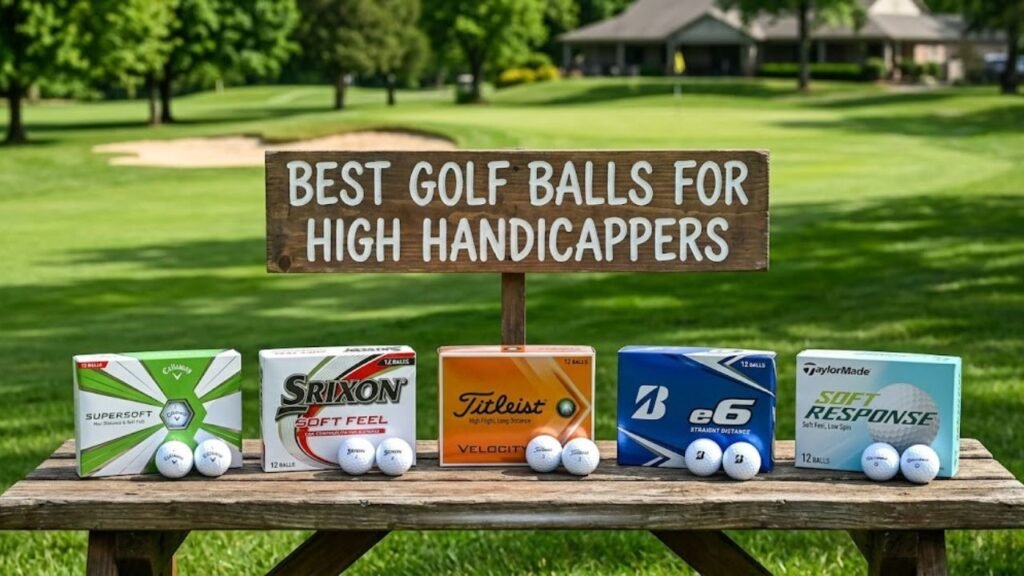
High handicappers don’t benefit much from extreme spin — forgiveness matters more. The right ball helps produce straighter shots and more reliable distances.
| Golf Ball | Approx. Price | Why Choose It |
|---|---|---|
| Vice Tour | $20-$25 | Consistent and affordable. |
| Bridgestone e12 Speed | $30 | Forgiving and easy to launch. |
| Callaway ERC Soft | $35 | Stable ball flight. |
| Titleist Tour Soft | $30 | Soft feel and easy control. |
The best golf balls for high handicappers are the ones geared toward minimizing mistakes, not maximizing spin.
Best Cheap Golf Balls That Still Perform Well
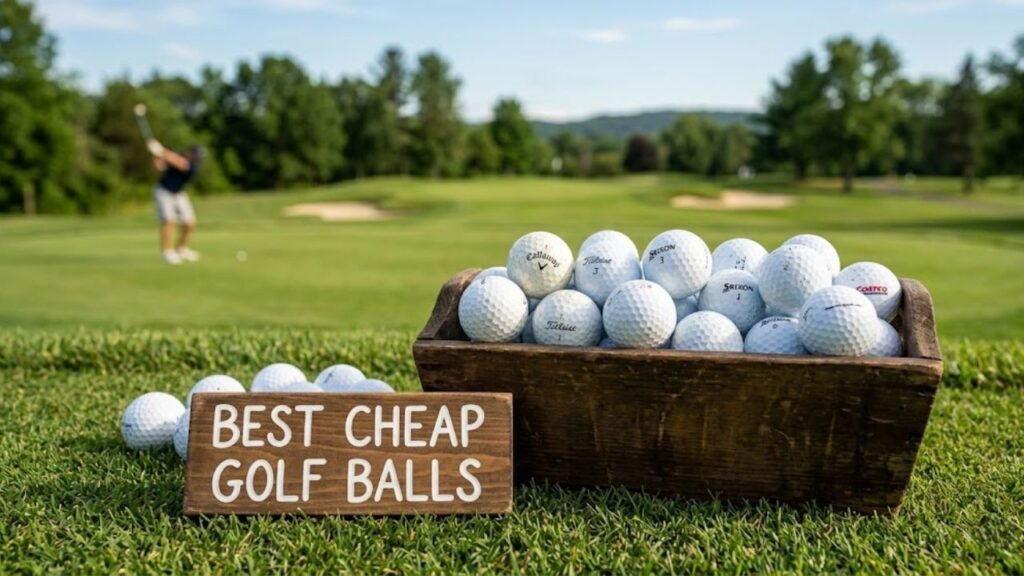
Performance isn’t determined by price alone. Plenty of inexpensive golf balls now offer surprisingly strong technology and reliable results.
| Golf Ball | Approx. Price | Why Choose It? |
|---|---|---|
| Kirkland Signature V3.0 | $18-$22 | Premium-like spin at a low cost. |
| Vice Tour | $20-$25 | Excellent value and consistency. |
| Callaway Warbird | $18-$20 | Strong distance performance. |
| Srixon Distance | $20 | Durable and dependable. |
My Personal Experience Testing Different Golf Balls
Over the last couple of seasons, I’ve used dozens of golf ball models — some priced over $50 a dozen, others less than half that. One of the most interesting comparisons was testing the Titleist Pro V1 ($55), the Vice Tour ($20-$25), and the Bridgestone e12 Speed ($30) across several rounds.
The differences between the three were smaller than I expected off the tee. But around the greens, the premium ball’s extra spin made a noticeable difference in stopping power. Even so, I kept coming back to the Bridgestone e12 Speed for its balance of distance, forgiveness, and affordability. The experience reinforced something important: not every expensive golf ball is automatically the best choice. Sometimes the mid-priced option helps you play your best golf.
Are Premium Golf Balls Really Worth the Extra Money?
This is one of the most common questions golfers ask. Premium golf balls typically offer:
- More greenside spin
- Better feel
- Greater consistency
- Improved stopping power
Budget golf balls typically offer:
- Better value
- Strong distance
- Increased durability
- Lower replacement costs
Premium models tend to suit golfers who consistently shoot below 90. Casual golfers often find just as much (or more) value in moderately priced or budget options.
The Golf Ball Test Every Golfer Should Try
You don’t need to spend a lot of money to find the right golf ball. A simple test can tell you a lot: pick three golf balls and play 9 holes with each. Pay attention to:
- Driver performance
- Wedge control
- Putting feel
- Confidence level
When I did this test myself, I realized my worst rounds weren’t necessarily played with the ball that scored best on a launch monitor. Real-course performance tells a different story than lab numbers alone.
Should You Play the Same Golf Ball as Tour Professionals?
Many golfers assume playing the same ball as a tour pro will automatically help their game. But pros typically swing significantly faster than amateur golfers — often 110+ mph compared to an average recreational swing speed of 80-95 mph.
A ball like the Titleist Pro V1x, for example, is built to reward high clubhead speed with better compression and control — benefits a player swinging at 85 mph simply won’t unlock in the same way.
Instead of copying professionals, choose a golf ball based on your own:
- Swing speed
- Ball flight
- Budget
- Scoring priorities
The right golf ball for you might be completely different from what the pros play.
What I Learned After Playing One Golf Ball for an Entire Season
A while back, I made a habit of playing a single golf ball model for nearly half a year. At first, I didn’t expect much of a change. But by the end of the season, I’d made real progress in distance management and confidence.
I knew exactly:
- How far my wedges carried
- How much my chip shots released
- How the ball responded in wind
- What to expect on approach shots
That familiarity helped me make better decisions on the course. Most golfers underestimate how much consistency alone can improve their game.
Which Golf Ball Would I Personally Buy Today?
If I had to recommend one golf ball for the average player, it would be the Bridgestone e12 Speed ($30).
Why? Because of its combination of:
- Distance
- Forgiveness
- Value
- Consistency
- Easy launch
It might not top every individual category, but for an all-around package at this price, it has few rivals.
For golfers with a bigger budget, I’d recommend the Titleist Pro V1 or Callaway Chrome Soft.
Final Thoughts on the Best Golf Balls
Buying the best golf ball isn’t about finding the most expensive option or copying tour professionals. It’s about finding a ball that plays to your strengths, fits your swing, and helps you play more consistent golf.
Whether you’re looking for the best golf balls for high handicappers, seniors, or the best cheap golf balls, the right choice always comes back to your own game.
Personally, I’ve found that sticking with one golf ball long enough to truly understand its behavior — rather than constantly switching equipment — usually improves scores more than any equipment change. Once you find a model you trust, commit to it and practice with it. Familiarity is on your side.
FAQs
The Titleist Pro V1 remains the industry benchmark for overall consistency and short-game control, though the best choice ultimately depends on your swing speed and budget. For value-conscious golfers, the Bridgestone e12 Speed delivers near-premium performance at a much lower price.
The Pro V1 offers a softer feel with a more mid-height trajectory, while the Pro V1x is firmer with a higher, more penetrating flight. The Pro V1x generally suits players with faster swing speeds who want more control off the tee.
Not necessarily. Tour pros typically swing 110+ mph, while most amateur golfers swing between 80-95 mph. Balls like the Titleist Pro V1x are designed to reward faster swing speeds, so playing based on your own swing speed and priorities usually gives better results than copying the pros.
The Bridgestone e12 Speed is a strong all-around pick for both groups, offering forgiveness and easy launch. Budget-friendly options like the Vice Tour and Callaway Warbird are also excellent choices while you’re still losing balls frequently on the course.
It depends on your game. Premium balls like the Titleist Pro V1 or Callaway Chrome Soft offer more greenside spin, better feel, and improved stopping power — benefits that matter most if you consistently shoot below 90. Casual golfers often get just as much value from mid-priced or budget balls without sacrificing much performance.