Last Updated: 29 August 2026
Low compression golf balls are those that are aimed at golfers who desire smoother shots but don’t have a strong, fast swing. Compression on impact is what helps produce distance and control with minimal effort — a low compression golf ball measures roughly 30 to 70 on the compression scale, and is generally the right pick for golfers with a driver swing speed under about 95 mph. It is due to this reason that they find wide usage amongst beginners, casual players, and even professionals who want a softer feel in their game.
Lots of players are faced with poor shots that are often inconsistent, have excessive spin, and lack direction. Low compression golf balls can correct such problems by producing a more stable ball flight. Rather than a mix of bad and good shots, golfers are able to repeat performance throughout the round. This translates into improved scoring and confidence on the course.
Performance of Low Compression Golf Balls
Low compression golf balls are characterized by balanced performance rather than extreme outcomes. It’s worth noting upfront: many golfers expect low compression balls to automatically mean extra distance, which can be true but isn’t guaranteed — how the ball performs with irons and wedges matters just as much, especially since slower swing speeds and different attack angles can change the benefit you actually see.
The balls minimize unwanted spin, making shots straighter. They also enhance launch conditions, making it easier to get the ball into the air. Across a full round, this results in fewer bad shots and more predictable outcomes.
Understanding Compression Numbers
Compression in golf balls measures how much the ball deforms on impact. There isn’t one universally fixed cutoff for what counts as “low compression” — most fittings treat anything under 70 as low, though some go as high as 80. Here’s roughly where popular models sit:
| Ball | Approx. Compression | Cover Type |
|---|---|---|
| Maxfli SoftFli | ~35 | Ionomer |
| Wilson Duo Soft | ~37 | Ionomer |
| Bridgestone e6 Soft | ~45 | Ionomer |
| Callaway Supersoft | ~49 | Ionomer |
| Srixon Soft Feel | ~58 | Ionomer |
| Titleist TruFeel | ~70 | Ionomer |
| Srixon Q-Star Tour | ~70 | Soft Urethane |
| Callaway Chrome Soft | ~70-75 | Urethane |
Lower-compression ionomer balls (roughly 35–60) tend to maximize distance and forgiveness at a lower price point, typically $20–28 per dozen. Soft urethane options (roughly 70–85) sit at the upper edge of “low compression” and add tour-grade greenside spin, usually for $35–55 per dozen.
Real Reasons Golfers Switch to Softer Golf Balls
Many golfers switch from firmer, high-compression balls because they struggle with control and consistency. Softer balls make the game more predictable for a few clear reasons:
- Softer feel on impact — particularly around putting and chipping, which helps golfers judge distance better.
- Less sidespin — less rotation results in fewer slices and hooks, keeping shots closer to the fairway.
- Durability — many low compression balls, especially ionomer-covered ones, last longer and cost less to replace than premium tour balls.
Top Choices: Best Low Compression Golf Balls for 2026
Based on current compression data and player performance across skill levels, here are the standout options:
- Maxfli SoftFli — one of the softest options available (~35 compression), ideal for slower swing speeds prioritizing feel and forgiveness.
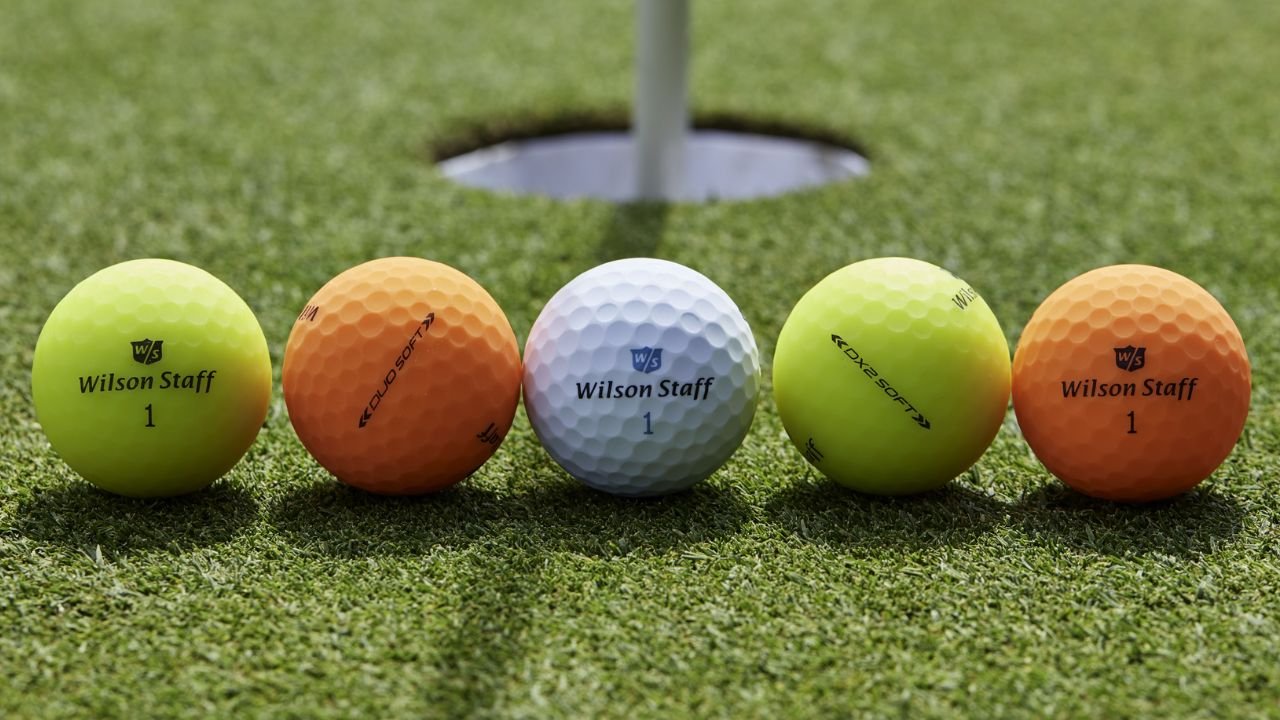
- Wilson Duo Soft — extremely soft ionomer cover, strong value pick for high handicappers.
- Callaway Supersoft — balanced distance and softness at a mid-30s to high-40s compression range; one of the best-selling low compression balls on the market.
- Bridgestone e6 Soft — solid all-around distance ball with a forgiving, low-spin driver flight.
- Srixon Soft Feel — slightly firmer than the ionomer group but still comfortably low compression, with good all-around performance.
- Titleist TruFeel — sits at the upper edge of the low compression range (~70), offering a step up in feel while remaining forgiving.
- Callaway Chrome Soft — best pick if you want the low-compression feel but still want meaningfully more spin and control on approach and wedge shots than typical ionomer balls provide.
- TaylorMade Tour Response — a 3-piece ball with a urethane cover (similar construction to premium tour balls like the Pro V1), giving better short-game spin than pure ionomer options while still suiting moderate swing speeds.
- Wilson Triad — a tour-value option offering better greenside performance than budget ionomer balls, at a slightly higher compression.
- Noodle Long & Soft — a long-standing budget favorite, easy to compress, with a soft feel suited to slow and moderate swing speeds.
Internal Build: How Construction Changes Performance
Golf ball construction significantly affects performance. Low compression golf balls are typically built as 2-piece or 3-piece designs.
2-Piece Construction
- Built for durability and straight flight
- Produces less spin
- Best suited to beginners and high handicappers
3-Piece Construction
- Provides additional control
- Enhances short-game spin
- Better suited to mid-level players
Outer Layer Matters: Cover Materials Explained
The outer cover directly affects feel, spin, and durability. Low compression golf balls predominantly use either ionomer or urethane covers.
Ionomer Cover
- Tough and long-lasting
- Reduces spin for straighter shots
- Common in everyday-play, budget-friendly balls
Urethane Cover
- Softer and more responsive
- Provides better grip on the clubface for greenside control
- Increases spin around the greens
Golfers who prioritize durability and value tend to prefer ionomer covers, while those chasing more short-game control and spin (without stepping all the way up to a tour-level ball) should look at soft urethane options like the Srixon Q-Star Tour.
Matching the Ball to Your Skill Level
Beginners and High Handicappers (90+) These players benefit most from forgiveness and effortless launch. Low compression ionomer balls (Maxfli SoftFli, Wilson Duo Soft, Callaway Supersoft) minimize mishit penalties and improve direction.
Mid Handicap Players (70s–80s) A balance of control and forgiveness works best here. Players in this range might consider stepping up to a 3-piece urethane option like the TaylorMade Tour Response for better short-game spin, without needing a full premium tour ball.
Low Handicap Players Even skilled and professional golfers sometimes choose low compression balls for comfort and consistency in casual rounds. The Callaway Chrome Soft is a common pick here, since it offers more spin than most low compression balls while retaining a soft feel.
Price Breakdown and Value in the Market
| Region | Price Range (per dozen) |
|---|---|
| India | ₹1,800 – ₹4,700 |
| USA | $20 – $55 |
| UK | £18 – £45 |
Ionomer-covered balls generally sit at the lower end of this range ($20–28 in the US), while soft urethane options with better greenside spin sit toward the higher end ($35–55).
FAQs
Most low compression golf balls fall between 30 and 70 on the compression scale, though some fittings extend this up to 80. Balls like the Maxfli SoftFli (~35) and Wilson Duo Soft (~37) sit at the softer end, while options like the Titleist TruFeel (~70) sit at the upper edge of the low compression range.
Low compression golf balls generally suit golfers with a driver swing speed under about 95 mph. If your swing speed is above this, a higher compression ball may give you better energy transfer and control.
Not necessarily. Ionomer-covered low-compression balls do produce less spin, which favors straighter, more forgiving shots off the tee. However, soft urethane options like the Callaway Chrome Soft or Srixon Q-Star Tour offer noticeably more spin and short-game control while still qualifying as low compression.
Ionomer covers are more durable and reduce spin, making them ideal for everyday play and budget-conscious golfers. Urethane covers are softer, grip the clubface better, and increase spin around the greens — better suited to players who want more short-game control.
Yes, they’re often recommended for this group. Low compression balls typically launch more easily and forgive mishits better, helping beginners and high handicappers (90+) hit straighter, more consistent shots with less effort.
Final Thoughts
Low compression golf balls remain a strong option for golfers who value control and consistency over raw power. If your driver swing speed is under roughly 95 mph, a low compression ball — whether a budget ionomer option like the Wilson Duo Soft or a spin-friendly urethane pick like the Callaway Chrome Soft — can genuinely improve your consistency and confidence on the course.
Read Our More Reviews May be You like: